Explore the Benefits of Choosing a Metal Roofing Company San Diego, CA for Your Property
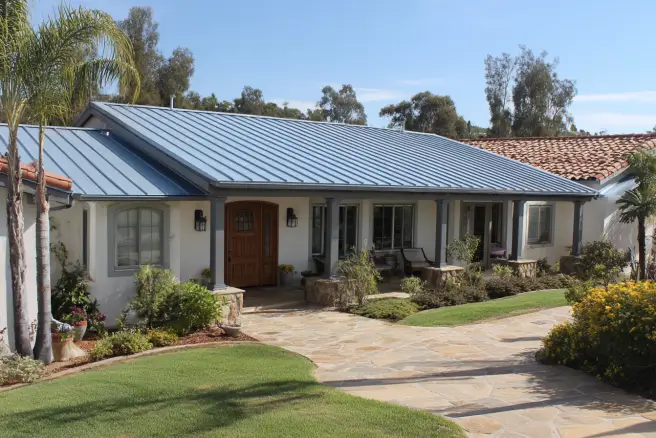
Below are some key advantages of metal roofing that property owners should consider.
- Resistant to cracking, warping, and corrosion
- Lifespan of 40-70 years with proper maintenance
- Fire-resistant materials provide added safety
- Require only periodic inspections to ensure screws or fasteners remain tight
- Resistant to mold growth due to non-porous surfaces
- Snow easily slides off sloped metal roofs, reducing strain during winter months
Property owners save both time and money on maintenance over the long term.
| Feature | Benefit |
| Reflective coatings | Reduces cooling costs in hot climates |
| High emissivity options | Helps dissipate heat efficiently after sunset |
Homeowners with properly insulated metal roofs often see a reduction in their energy bills throughout the year.
- Longer lifespans reduce waste by minimizing replacement frequency
- Options include standing seam panels, shingles designed to mimic wood or slate tiles, and more
- Various finishes available (matte, glossy) to suit personal preferences
- Complements modern architectural styles as well as more traditional designs
By weighing these significant benefits alongside your specific needs and budget considerations, it becomes clear why so many homeowners and businesses are opting for this durable yet stylish solution. Metal roofing not only provides long-term function but also adds value while contributing positively to environmental sustainability goals.
Longevity and Durability: Choosing a Metal Roofing Contractor San Diego Can Trust
Exceptional Lifespan
- Long Service Life:Metal roofs can last 40 to 70 years or more, depending on the material used.
- Aluminum and steel roofs typically last 40 to 50 years.
- Copper and zinc roofs can endure well beyond 70 years.
- Resistance to Rot and Decay:Unlike wood shingles, metal roofs do not rot, warp, or deteriorate due to moisture.
| Roofing Material | Average Lifespan | Maintenance Requirements |
| Asphalt Shingles | 20–30 years | Regular inspection & replacement |
| Wood Shingles | 25–40 years | Prone to rotting & insect damage |
| Metal Roofing | 40–70+ years | Minimal upkeep required |
Superior Durability
Metal roofing materials are engineered to withstand harsh conditions that might compromise other roofing systems.
- Metal roofs hold up against extreme weather events such as heavy rain, snow, hailstorms, and strong winds (often rated for wind speeds up to or exceeding 140 mph).
- Many metals are coated with specialized finishes that enhance their resistance to corrosion in humid or coastal environments.
- Impact Resistance:High-quality metal roofs resist damage from falling debris or hailstones better than many traditional roof types.
- Fire Resistance:Metal is naturally non-combustible, offering Class A fire ratings – the highest level of fire protection available for roofing materials.
Low Maintenance Requirements
Compared to other options on the market, metal roofs require minimal maintenance over their lifespan: – Routine cleaning of debris such as leaves or dirt buildup. – Occasional inspections of fasteners and sealants. – Repainting or recoating every few decades (depending on finish quality).
Protection Against Pests
Unlike wood-based options that may attract termites, rodents, or other pests, metal is pest-resistant.
The Importance of Longevity When Choosing a Metal Roofer in San Diego
Choosing a long-lasting roof system provides significant benefits: 1.Cost Savings Over Time2.Sustainability: The need for fewer replacements reduces waste contribution in landfills. 3.Enhanced Property Value
Investing in a durable metal roof offers unparalleled peace of mind alongside tangible financial and environmental benefits over its extended service life.
Longevity and Durability: Why a San Diego Standing Seam Metal Roof Stands the Test of Time
Below, we’ll explore the key factors that contribute to the long-lasting nature of metal roofs.
Exceptional Lifespan
40 to 70 years, depending on the type of metal used.
| Metal Type | Estimated Lifespan |
| Aluminum | 40-50 years |
| Steel (coated) | 50-70 years |
| Copper | 70+ years |
| Zinc | 60-100+ years |
15 to 20 yearsbefore requiring replacement.
Resistant to Wear and Tear
- Rust Resistance:Modern metal roofs are designed with rust-resistant coatings (e. g. , galvanized steel or aluminum with a protective finish) to prevent corrosion.
- Impact Resistance:High-quality metal roofs are highly resistant to impacts from hail, debris, or falling branches. Many products come with Class 4 impact resistance ratings — the highest available.
- Noncombustibility:Metal is naturally fire-resistant, making it a safer option in areas prone to wildfires.
Minimal Maintenance Requirements
- Occasional cleaning (to remove dirt or debris)
- Inspecting for scratches or dents after severe weather
- Ensuring fasteners remain secure over time
Superior Weather Performance
Extreme weather conditions like heavy snow loads, high winds, intense sunlight exposure, and excessive rain can accelerate wear on most types of roofs.
- Snow Shedding Ability:The smooth surface helps snow slide off easily rather than accumulating.
- Wind Resistance: Many systems are rated for winds exceeding 140 mph, making them ideal for hurricane-prone regions.
- UV Protection:Reflective coatings shield against harmful UV rays, reducing material degradation over time.
Cost-Efficiency Over Time
The durability ensures fewer repairs and replacements compared to traditional alternatives — saving money in the long run.
Why Longevity Matters
Investing in a roof that lasts longer not only reduces overall costs but also provides peace of mind for property owners. A durable roof stays structurally sound through changing seasons while retaining its aesthetic appeal over time.
Energy Efficiency Benefits of Installing a Metal Roof on Your Property
Homeowners and business owners alike are discovering how this roofing option can lead to reduced energy costs and a more sustainable property. Below, we explore some key ways metal roofs can contribute to energy savings.
Reflectivity and Heat Reduction
- Light-colored or coated metal roofs reflect up to 70% of solar radiation, making them an excellent choice in warm climates.
Insulation Capabilities
- Layered insulation under metal roofing enhances thermal performance.
- Effective insulation helps retain warmth in colder months while keeping interiors cool during summer.
Lower Energy Costs
- Reduced Cooling Costs– By reflecting sunlight and reducing indoor heat gain during summer months, homeowners typically experience lower electricity bills from reduced air conditioning usage.
- Improved Heating Efficiency– With proper insulation beneath the roof structure, heating systems don’t have to work as hard during colder months.
| Season | Impact of Metal Roofs on Energy Use | Potential Cost Savings (%) |
| Summer | Reduced cooling needs | 10% – 25% |
| Winter | Enhanced heating efficiency | 5% – 10% |
Longevity and Consistent Performance
Another advantage related to energy efficiency is that these benefits don’t diminish over time. Metal roofs maintain their reflective qualities for decades with minimal maintenance required.
- Modern metal finishes are designed to resist fading and maintain their emissive properties throughout their lifespan.
Environmental Benefits Linked to Energy Efficiency
- Lower electricity usage means less reliance on fossil fuels needed for power generation.
- Reduced carbon emissions contribute to creating greener living spaces.
Additional Tips for Maximizing Energy Savings with Metal Roofing
- Choose Lighter Colors: Lighter shades like white or light gray offer superior reflectivity compared to darker colors.
- Invest in Cool Roof Coatings: These specially designed coatings enhance infrared emissivity and improve energy performance even further.
- Ensure Proper Installation: Work with professional contractors like https://www.sw-metalroofing.com who can ensure proper ventilation systems are integrated into your roof design for maximum efficiency.
Metal roofs provide not only a stylish aesthetic but also tangible economic and environmental advantages through superior energy performance. By reflecting heat, supporting consistent indoor temperatures, and reducing utility costs year-round, they prove themselves as an efficient solution worthy of consideration for any property owner seeking long-term savings and sustainability benefits.
As sustainability becomes a key consideration in construction and home improvement, metal roofing emerges as an environmentally friendly option that aligns with the needs of modern homeowners and businesses.
- At the end of their lifespan, metal roofs are 100% recyclable, ensuring they don’t contribute to landfills like asphalt shingles or other non-recyclable roofing materials.
- Metal roofs reflect solar radiant heat rather than absorbing it.
- Many metal roofing systems come with coatings or finishes that enhance reflectivity and emissivity, further improving energy efficiency.
- The reduction in energy consumption directly correlates to decreased greenhouse gas emissions from power plants.
- With a lifespan of 40-70 years or more, metal roofs last significantly longer than traditional materials such as asphalt shingles (15-20 years).
- Fewer replacements mean less frequent use of raw materials and reduced waste generation over time.
- The lightweight nature also lowers transportation emissions during delivery because fewer resources are needed for shipping.
Metal Roofing vs.
| Feature | Metal Roofing | Asphalt Shingles | Concrete Tiles |
| Lifespan | 40-70+ years | 15-20 years | 30-50 years |
| Recyclability | 100% recyclable | Non-recyclable; ends in landfill | Limited recyclability |
| Energy Efficiency | High reflectivity; lowers cooling costs | Low; absorbs heat | Moderate efficiency |
| Manufacturing Impact | Often uses recycled metals | High carbon footprint | High resource extraction impact |
Supporting Renewable Energy Systems
- Their durability ensures they can support the weight of solar systems without additional reinforcement.
- Many metal roof designs allow for easy installation of solar panel mounting systems without compromising structural integrity.
- Reflective coatings on metal surfaces can synergize with solar power by reducing overall building energy needs.
Reduced Urban Heat Island Effect
Metal roofs help mitigate this phenomenon by reflecting sunlight instead of absorbing heat, contributing to cooler urban environments.
Choosing Sustainable Coatings
For optimal environmental performance: – Select products with low-VOC (volatile organic compounds) finishes that minimize air pollution during application. – Look for ENERGY STAR-certified coatings tailored for reflective efficiency and durability.
Metal roofing proves itself as a sustainable choice for modern homes by combining durability, recyclability, energy savings, and compatibility with renewable technologies—helping homeowners minimize their environmental footprint while enjoying long-term value.
The Durability of San Diego Metal Roofing in Extreme Weather Conditions
From heavy snowstorms to intense heatwaves, metal roofs offer reliable protection in challenging climates. Let’s explore how this material holds up against various natural elements and why it is considered one of the most durable choices for both residential and commercial buildings.
Resistance to Heavy Rain and Wind
The overlapping panels and interlocking systems ensure that water does not seep through, reducing the risk of leaks. Additionally, metal roofs are designed to resist wind uplift, often with ratings that can handle speeds exceeding 140 mph (depending on installation and material).
Key benefits: – Seamless water resistance due to tight panel connections. – High wind uplift ratings for storm-prone regions. – Minimal maintenance compared to traditional shingles after severe weather events.
Performance in Snowy Climates
The smooth surface allows snow to slide off easily, preventing excessive buildup that could strain the roof structure. Furthermore, many metal roofs can be equipped with snow guards or heating cables if controlled snow retention is required.
Advantages in snowy regions: – Reduced risk of structural damage from accumulated snow. – No ice dams due to improved drainage capabilities. – Lower maintenance needs during winter months.
| Feature | Asphalt Shingles | Metal Roofing |
| Snow Shedding | Limited | Excellent |
| Structural Durability | Susceptible to cracking | High resistance |
| Maintenance Effort | Moderate | Low |
Heat Resistance and Fire Protection
Metal roofs excel in hot climates as well. They reflect solar radiant heat instead of absorbing it, which helps keep structures cooler during summer months. Moreover, many metal roofing systems are non-combustible with Class A fire ratings – the highest available – making them an ideal choice for areas at risk of wildfires.
Highlights: – Reflects heat efficiently, reducing energy costs associated with cooling. – Non-combustible properties enhance fire safety. – Long-lasting performance under intense sunlight exposure.
Hail Impact Resistance
Hailstorms pose a significant threat to many types of roofing materials; however, metal roofs are built to withstand impact damage effectively. Most high-quality metal roofs achieve Class 4 hail impact resistance ratings – the highest standard – meaning they can endure large hailstones without cracking or puncturing.
Key points: – Robust enough to resist dents and damage from hail. – Protects underlying structures better than vulnerable materials like clay tiles or wood shingles.
Adaptability Across Different Climates
Whether it’s extreme cold or sweltering heat, metal roofing adapts exceptionally well across different climatic zones thanks to its versatile composition and performance standards.
By choosing a professionally installed metal roof tailored for specific weather challenges in your region, you can protect your property while enjoying lower repair costs over time.
When considering a new roof installation, cost is often one of the most critical deciding factors. Metal roofing, while frequently associated with higher upfront costs, can offer substantial long-term value compared to other materials. Below, we explore how metal roofing compares to traditional options in terms of cost and value over time.
Upfront Costs: Metal Roofing vs.
| Roofing Material | Average Cost Per Square Foot Installed | Lifespan Estimate |
| Asphalt Shingles | $3 – $5 | 15-30 years |
| Wood Shakes | $6 – $9 | 20-40 years |
| Metal Roofing (Steel) | $8 – $12 | 40-70 years |
| Metal Roofing (Aluminum) | $9 – $14 | 40-70 years |
| Clay or Concrete Tiles | $10 – $20 | 50-100 years |
Although metal roofs require a higher investment initially, their durability and longevity compensate for these upfront costs.
Long-Term Savings with Metal Roofs
- Reduced Maintenance Costs
- Energy Efficiency Benefits
Many modern metal roofing systems are designed with reflective coatings that reduce heat absorption. - Longevity Saves Replacement Costs
While an asphalt shingle roof may need replacement every 15–30 years, a properly maintained metal roof can last up to 70 years or more. - Insurance Discounts
Some insurance providers offer reduced premiums for homes with metal roofs due to their superior performance in extreme weather conditions like hailstorms, high winds, and fires.
Additional Factors That Influence Cost
- Installation Complexity: Metal roofs often require skilled professionals for proper installation.
- Type of Metal Used: Steel tends to be more affordable than aluminum or copper.
- Coatings and Finishes: Premium finishes that enhance energy efficiency may slightly increase initial costs but pay off over time in energy savings.
Is It Worth The Investment?
- Its extended lifespan reduces frequent replacement expenses.
- Energy efficiency features lead to lower utility bills.
- Environmental benefits align with sustainable living practices.
Though the upfront investment might appear substantial compared to traditional materials such as asphalt shingles, the financial benefits spread across decades often make it a prudent choice for homeowners looking at the bigger picture. Careful consideration of your specific needs—such as climate conditions and budget—can help guide your decision effectively.
- Explore the Benefits of Choosing a Metal Roofing Company San Diego, CA for Your Property
- Benefits of Choosing a Metal Roofing Company San Diego, CA for Your Home
- Exploring the Benefits of San Diego Metal Roofing for Homeowners
- Advantages and Benefits of San Diego Metal Roofing
- Top Benefits of Choosing San Diego Metal Roofing for Your Home
- Top Reasons to Hire a Metal Roofing Contractor San Diego for Your Home